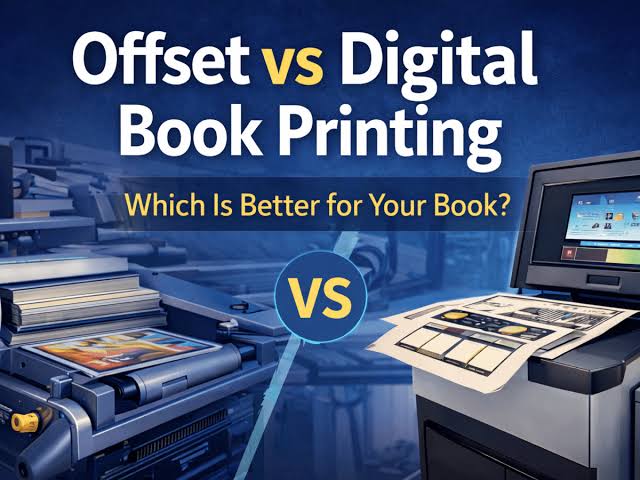
Choosing the right printing method can make a significant difference to your project’s cost, turnaround time and final quality. Whether you need business cards, flyers, brochures, menus or promotional materials, understanding the difference between digital and offset printing helps you make an informed decision.
For businesses in Karama and across Dubai, the choice often comes down to print quantity, artwork requirements, paper selection and delivery deadlines.
What Is Digital Printing?
Digital printing transfers artwork directly from a digital file to the printing substrate without requiring conventional printing plates. Depending on the equipment, the process may use toner-based technology or inkjet printing.
Because there is no need to produce traditional printing plates, digital printing generally involves less setup time. This makes it particularly suitable for short-run projects and customised materials.
Common applications include:
- Business cards and corporate stationery
- Flyers and promotional leaflets
- Restaurant menus
- Event invitations
- Product inserts and small brochures
- Personalised marketing materials
One of the main advantages of digital printing is flexibility. Businesses can print smaller quantities, update artwork easily and produce personalised copies without the additional setup associated with conventional offset printing.
What Is Offset Printing?
Offset printing is a traditional commercial printing process in which ink is transferred from a printing plate to a rubber blanket and then onto the printing material.
Each colour typically requires its own plate, so the preparation process involves additional setup before production begins.
Although this can increase the initial cost and preparation time, offset printing can become economical for larger quantities because the setup cost is distributed across more copies.
Offset printing is commonly used for:
- Large brochure and catalogue runs
- High-volume flyers and leaflets
- Corporate stationery in bulk
- Magazines and publications
- Packaging and other commercial print projects
Offset printing also offers extensive options for paper stocks, inks and finishing processes, depending on the printing equipment and production requirements.
Digital vs Offset Printing: Key Differences
Feature Digital Printing Offset Printing
Setup Minimal setup; no conventional plates Requires printing plates and setup
Short print runs Generally cost-effective Higher setup cost per project
Large quantities May have a higher unit cost Often economical at higher volumes
Turnaround Often faster for small jobs Requires additional preparation
Personalisation Well suited to variable data Individual personalisation is less straightforward
Artwork changes Easier between print jobs Changes may require new plates or setup
Colour consistency Depends on calibration and equipment Excellent consistency with proper press control
Paper and finishes Depends on the digital press Broad options depending on the press
Neither process is universally superior. The right choice depends on the quantity, material, design and required finish.
Why Digital Printing Is Often Better for Short Runs
Short-run printing typically involves producing a relatively small number of copies. The exact quantity considered a short run varies according to the product, equipment and print provider.
For example, a startup might require 100 flyers for a local campaign, while a restaurant may need 50 updated menus or a business may order 200 presentation booklets for an event.
Digital printing can be suitable for these projects for several reasons.
1. Lower Initial Setup Costs
Digital printing does not require conventional printing plates. This reduces the initial preparation costs associated with offset printing.
For smaller quantities, avoiding plate production can make digital printing the more economical option.
2. Faster Production
Once the artwork has been checked and approved, digital printing can often move into production quickly.
This is useful for businesses working with event deadlines, product launches, seasonal promotions or urgent marketing requirements.
Actual turnaround depends on print volume, finishing, stock availability and the printer’s production schedule.
3. Easy Artwork Updates
Digital files can be updated before a new print run without replacing conventional printing plates.
This is particularly useful for businesses that regularly change prices, contact details, promotional offers, product information or event dates.
4. Personalised Printing
Digital printing supports variable-data workflows in which text, images or other information can differ between copies.
For example, businesses can produce invitations with individual names, numbered tickets or marketing materials tailored to different customer groups.
When Does Offset Printing Make More Sense?
Offset printing may be the better choice when a project requires a large quantity of identical copies.
Although the initial setup can be more expensive, the average cost per copy often decreases as the quantity increases.
Offset printing may be appropriate for:
- Thousands of identical flyers
- Large-volume catalogues
- Extensive corporate stationery orders
- Publications requiring consistent output across a large run
However, the crossover point between digital and offset printing depends on the equipment, paper, ink coverage, finishing and quoted prices. It is better to compare actual quotations than rely on a fixed quantity threshold.
How Do You Choose the Right Printing Method in Dubai?
Before placing an order with a printing company in Karama, Dubai, consider the following factors.
Quantity: How many finished copies do you need? Small quantities often favour digital printing, while larger orders may justify offset production.
Deadline: If you need printed materials quickly, digital printing may offer a shorter production schedule.
Paper type: Consider the required paper weight, texture, coating and compatibility with the printing equipment.
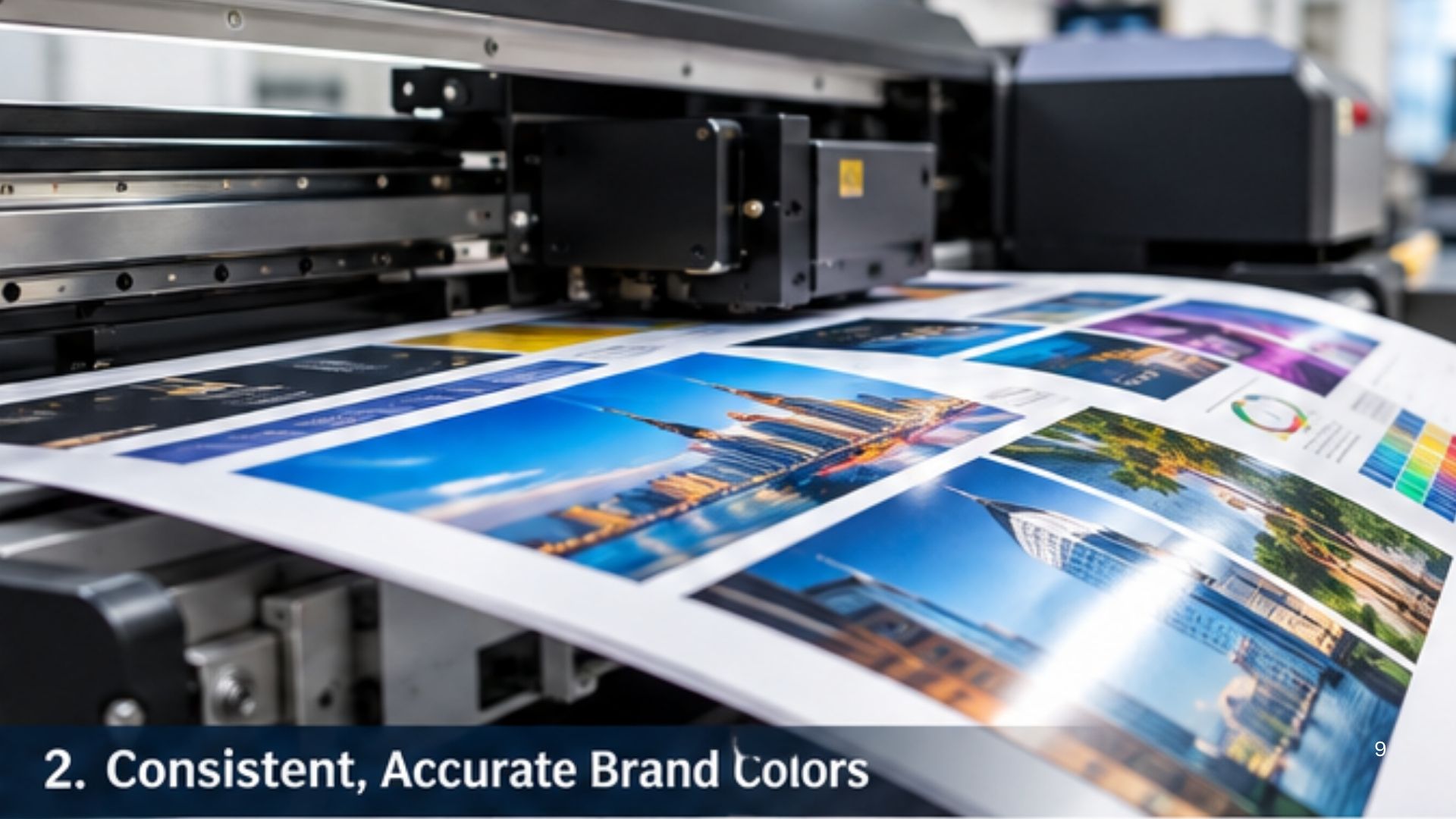
Colour requirements: If precise brand colours are important, discuss colour specifications, proofs and colour-management options with your printer.
Finishing: Lamination, folding, binding, cutting and special finishes can influence both cost and turnaround time.
Future reprints: If your artwork changes frequently, digital printing can offer greater flexibility between orders.
Total project cost: Compare the complete quotation, including setup, printing, finishing, delivery and any applicable additional charges.
Is Digital Printing More Affordable for Small Businesses?
Digital printing can help startups, restaurants, retailers and small businesses manage printing budgets by allowing them to order smaller quantities when required.
Instead of purchasing thousands of flyers or menus in advance, a business can print a limited quantity, evaluate the results and update its materials when necessary.
This approach can reduce the risk of holding outdated printed stock. However, the most economical choice still depends on the price per copy, frequency of reprints and total quantity required over time.
Where Can You Get Digital Printing Services in Karama, Dubai?
Businesses looking for digital printing services in Karama, Dubai, should consider a provider that understands their requirements, offers suitable paper and finishing options, and checks artwork before production.
StarBay offers digital printing services in Karama, Dubai, for businesses and individuals seeking professionally printed marketing and business materials.
Before submitting your artwork, confirm the finished dimensions, colour requirements, image resolution, bleed settings and preferred file format. Providing a properly prepared print-ready file can help reduce production errors and unnecessary delays.